Featured
Table of Contents
- – The Headless CMS Transformation Nobody Talks R...
- – What AI-Powered In Fact Method (Versus Market...
- – Shopping Past Shopify Templates
- – List Building Sites That Do Not Draw
- – Why Agencies Avoid Complicated Builds
- – The Build vs. Buy Estimation
- – What Great Advancement Agencies In Fact Supply
- – The AI Advancement Learning Contour
- – Making the Right Firm Choice
I've been considering web advancement companies for the previous month, and truthfully, a lot of them are stuck. They're still pitching WordPress with a premium theme, possibly some personalized CSS if you're fortunate, and calling it "" personalized development."" Your competitors are shipping websites with AI chat user interfaces, vibrant content generation, and headless CMS architectures that really scale.
The void between what's feasible and what a lot of agencies provide has actually never ever been bigger. AI-powered advancement isn't almost slapping ChatGPT onto your contact page. It's essentially transforming exactly how websites get built, just how content gets taken care of, and what "" custom-made"" really suggests in 2025.
The Headless CMS Transformation Nobody Talks Regarding
Typical WordPress or Squarespace setups make feeling for fundamental sales brochure sites. However the minute you need anything sophisticated-- multi-channel web content distribution, personalized customer dashboards, real-time data assimilations-- you hit a wall surface quick.
Strapi and similar brainless CMS systems altered the video game. Your material stays in one place, obtainable by means of API, and your frontend can be anything: a React application, a mobile user interface, several marketing sites drawing from the exact same content pool. You're not secured into whatever templating system your CMS pressures on you.
The companies really doing this ideal build the backend and frontend as different issues. Content editors get clean, structured interfaces for handling everything. Developers get total freedom to build whatever user experience makes good sense. Advertising groups can press material to internet, mobile, email campaigns, and third-party systems from one resource of reality.
Yet many firms don't pitch this due to the fact that it's more difficult to market. Customers listen to "" brainless CMS"" and their eyes glaze over. They intend to see quite mockups, not discussions about API styles and content modeling. So agencies maintain building monolithic WordPress websites that'll need full rebuilds in three years.
What AI-Powered In Fact Method (Versus Marketing Fluff)
Every agency now claims to develop "" AI-powered websites."" A lot of them imply they integrated an OpenAI API phone call to a chatbot widget. That's great, but it's not what makes a site really smart.
Actual AI combination suggests dynamic material generation based upon user actions, individualized UX that adapts to different visitor sectors, automated lead qualification that directs inquiries wisely, and natural language interfaces for complicated searches or filtering. It implies the website gets smarter gradually rather than being a static pamphlet.
I have actually seen ecommerce websites that use AI to produce product descriptions, enhance prices dynamically, and develop customized bundle recommendations that really transform. Lead generation sites that certify prospects through conversational user interfaces and path them to the best sales associate immediately. Content sites that adapt their navigation and suggestions based upon just how users actually surf, not exactly how the designer assumed they would.
The technological application matters. Are you simply calling APIs and hoping they remain readily available and budget friendly? Or are you constructing systems that can swap models, fine-tune on your data, and deteriorate with dignity when solutions are down? Many companies do the previous due to the fact that it's much easier.
Shopping Past Shopify Templates
Shopify works great for uncomplicated retail. However complex B2B shopping, membership designs with custom-made payment logic, multi-vendor markets, or inventory systems that sync with real storehouse management-- that's where you need actual custom development.
The companies squashing it in this area improve platforms like Strapi or personalized Node.js backends, integrate with whatever settlement processor makes feeling for your company design (not simply Stripe), and produce admin interfaces that match your real operations rather of compeling you right into Shopify's assumptions regarding how business works.
Custom-made ecommerce advancement sets you back more ahead of time. Clearly. If you're doing $2M+ in annual revenue and Shopify's constraints are costing you 15% in conversion rate or functional effectiveness, the ROI math changes quick. Shopify's 2.9% + 30 cents per transaction likewise includes up-- personalized repayment combination can cut that dramatically at range.
The real worth reveals up in attributes Shopify can not do: complicated B2B rates with customer-specific directories, quote-to-order process, assimilation with heritage ERP systems, custom shipping estimations based upon real-time storehouse data. You need designers who comprehend both e-commerce and your specific business reasoning.
List Building Sites That Do Not Draw
Many lead generation websites follow the exact same worn out playbook: hero area with unclear value prop, three advantages with stock symbols, get in touch with type that asks for too much info, possibly a prices table. Conversion prices hover around 2% and everybody shrugs like that's regular.
Better firms construct lead gen sites as real funnels. Various landing web pages for different web traffic sources and intent degrees. Modern profiling that doesn't ask for whatever upfront. Conversational interfaces that certify leads before sending them to sales. Real-time integration with your CRM so leads don't being in a spreadsheet for two days.
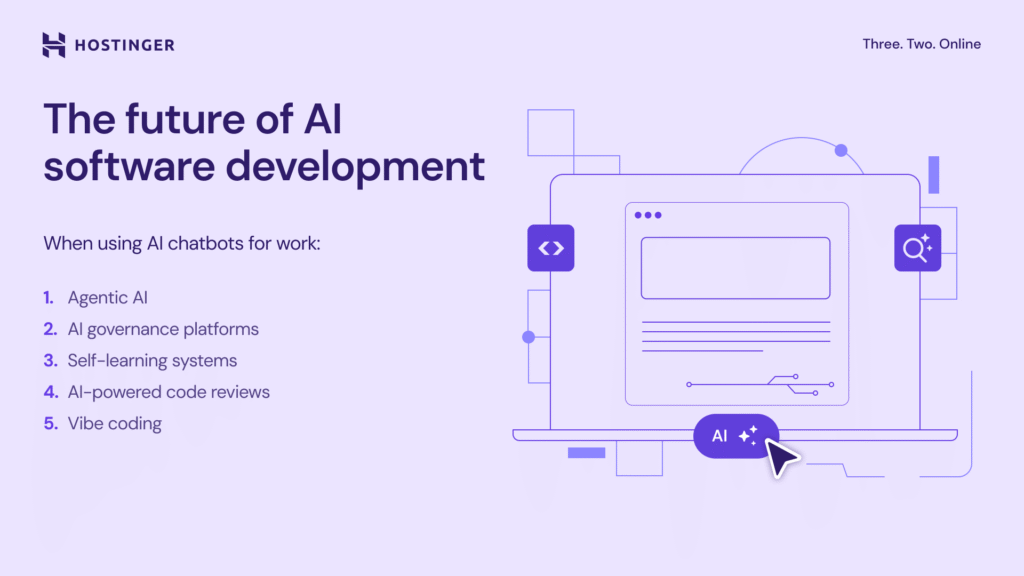
AI changes lead generation basically. As opposed to static kinds, you can have smart discussions that adjust based on reactions. Rather than sending out every query to the exact same inbox, you can route certified leads immediately. Instead of one-size-fits-all touchdown pages, you can produce customized material based on reference resource, market, or firm dimension.
The technical pile issues right here too. Websites improved modern-day JavaScript structures fill faster, feel more responsive, and can do client-side validation and vibrant web content without web page reloads. Individuals expect app-like experiences now, not clunky type submissions with complete page revitalizes.
Why Agencies Avoid Complicated Builds
Below's the unpleasant reality: many internet advancement companies prevent sophisticated projects because they're harder to range, harder to supply beneficially, and require much better designers that set you back more.
Developing a custom Strapi backend with AI combinations and complex organization logic takes senior programmers. You can not offshore it to jr devs complying with tutorials. You need people that comprehend information modeling, API layout, verification systems, and just how to construct something that won't break down when traffic scales.
Agencies optimized for volume prefer to crank out ten $15k WordPress sites than one $150k custom-made construct. The margins look much better, the timelines are foreseeable, and they can utilize less expensive sources. If you need something sophisticated, you're losing time and cash attempting to require it into their template-based procedure.
The Build vs. Buy Estimation
For straightforward needs, SaaS platforms make complete feeling. Don't develop a personalized blog when Ghost or WordPress does it great. Don't build custom ecommerce when Shopify works for your model. Do not construct a personalized CRM when HubSpot or Salesforce exists.
The minute you need something specific to your business version, the calculation flips. Paying $500/month for a SaaS that does 70% of what you need, after that spending an additional $2k/month on workarounds and assimilations-- that's typically a lot more costly long-term than constructing specifically what you need when.
Custom-made advancement makes good sense when your business has special process that are affordable advantages, when combination requirements are intricate sufficient that middleware expenses accumulate, when you're scaling quickly and SaaS prices comes to be painful, or when you require to own your information and framework entirely.
What Great Advancement Agencies In Fact Supply
The companies doing this right do not simply compose code. They start with exploration to recognize your actual organization issues, not just what you assume you require technically. They document everything correctly so you're not secured forever. They develop with modern heaps that other developers can maintain. They established staging settings and deployment pipes so updates don't break manufacturing.
They're additionally truthful concerning timelines. Custom-made advancement takes longer than templated builds. An innovative shopping system could be 3-6 months, not 6 weeks. AI integrations need time for screening and improvement. Anybody appealing complicated develops in impractical durations is either existing or intending to deliver trash.
Good agencies likewise prepare for upkeep from the first day. Custom websites require updates, safety and security spots, dependence upgrades, and periodic attribute enhancements. They set up tracking, mistake tracking, and back-up systems. They document their code so your next designer does not have to reverse-engineer whatever.
The AI Advancement Learning Contour
Structure AI-powered sites in 2025 requires continuously learning new tools and methods. Designs improve every few months. New APIs launch. Best methods develop. Agencies that got comfortable with their technology pile in 2020 are currently behind.
This appears in proposal information. Are they speaking concerning details versions and make use of instances, or just vague promises regarding "" AI integration""? Do they recognize token limits, latency factors to consider, and cost monitoring? Have they built this before, or are they intending to figure it out on your penny?
The ideal agencies deal with AI as facilities, not attributes. They build systems where you can exchange versions, change parameters, and repeat on motivates without code changes. They plan for scenarios where APIs are sluggish or not available. They think concerning prices at range, not simply the trial.
Making the Right Firm Choice
Picking a web advancement company isn't about finding the cheapest alternative or the one with the prettiest portfolio. It has to do with finding people who've built what you're trying to develop, comprehend your technical demands deeply, and can supply something that ranges with your service.
Inquire about their technology pile and why they chose it. Ask to speak with previous clients with comparable intricacy. Ask just how they take care of ongoing upkeep and updates. Inquire about their development process, testing technique, and how they handle scope changes.

The firms worth employing will certainly ask you uneasy concerns about your service version, user operations, and technological restraints before proposing services. They'll push back on poor concepts and suggest choices. They'll be truthful regarding what's tough and what's difficult.
If a company promises everything is easy and fast, run. Custom advancement is neither. Done right, with people that know what they're doing, it's the distinction in between a web site that's an expense center and one that's really a development engine.

Table of Contents
- – The Headless CMS Transformation Nobody Talks R...
- – What AI-Powered In Fact Method (Versus Market...
- – Shopping Past Shopify Templates
- – List Building Sites That Do Not Draw
- – Why Agencies Avoid Complicated Builds
- – The Build vs. Buy Estimation
- – What Great Advancement Agencies In Fact Supply
- – The AI Advancement Learning Contour
- – Making the Right Firm Choice
Latest Posts
Integrating Sophisticated Functionality throughout Custom E-Commerce Solutions
Proactive Image Building in Dent repair
White-Hat Backlink Acquisition for Mental Health Professionals
More
Latest Posts
Integrating Sophisticated Functionality throughout Custom E-Commerce Solutions
Proactive Image Building in Dent repair
White-Hat Backlink Acquisition for Mental Health Professionals